Hi-Vis Jackets for Night Shifts: A Practical Buying Guide
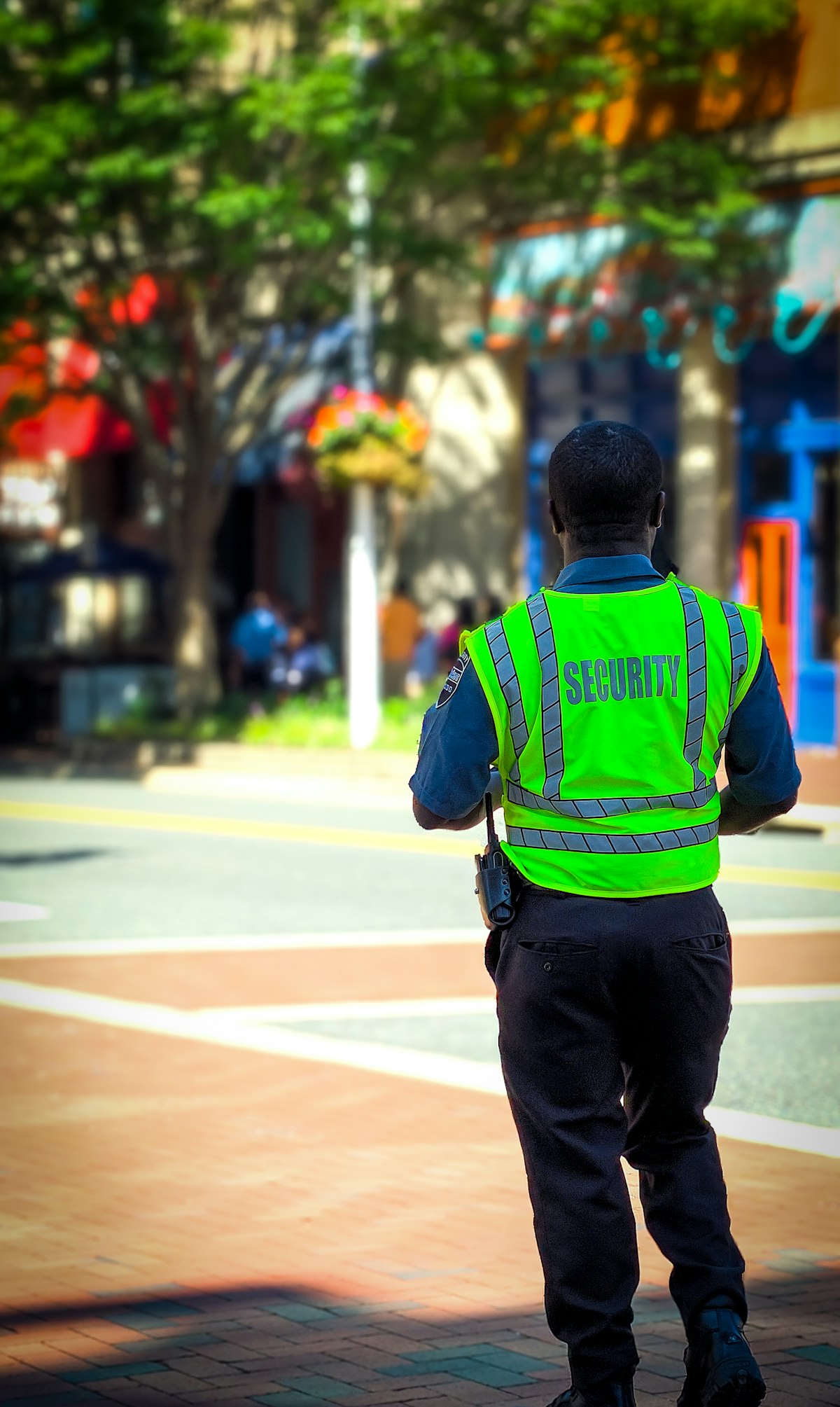
Night shifts on roads, rail, ports and logistics yards bring cold, wet weather and low light together. For these teams, custom hi vis jackets are often the most important garment they wear. Choosing well means looking beyond color to how the jacket performs in the dark and the cold.
Quick answer: For night work, prioritize generous reflective tape, a warm and weatherproof build, comfortable fit over layers, and logos placed so they never interrupt reflective areas.
Why does reflective tape matter more at night?
Fluorescent colors work best in daylight. At night, visibility depends mainly on reflective tape catching vehicle headlights and site lighting. Bands around the torso, arms and shoulders help drivers recognize a human shape from different angles.
What build suits cold night shifts?
Look for a waterproof outer shell, taped seams if heavy rain is common, and insulation suited to your climate. Some teams prefer a shell plus a removable liner so one jacket works across seasons.
- Waterproof or water-resistant shell
- Insulation or detachable liner
- Hood that works with a hard hat
- Storm cuffs to keep out wind
How should the jacket fit?
Night crews often wear several layers, so jackets must allow movement over them without riding up. Test a sample with typical layers underneath and check the tape still sits in the right place.
Where can logos go safely?
Place logos on panels between reflective bands, typically the chest and upper back. Avoid large logos that reduce the fluorescent area, and confirm placement on the mock-up.
How do you get crews to wear jackets properly?
Jackets left open or worn under other layers lose much of their benefit. Explain why full coverage matters at shift briefings, and choose jackets comfortable enough that workers keep them zipped. Supervisors setting an example makes a big difference, and so does replacing broken zips quickly. Ask night crews for feedback after the first few weeks and adjust the next order based on what they report.
Frequently asked questions
How do we know when a jacket is no longer visible enough?
Check regularly for faded color, cracked or peeling tape and dirt that cannot be washed out. Replace garments that no longer perform.
Can hi-vis jackets be washed normally?
Follow the care label. Gentle washing and low heat help preserve fluorescent fabric and reflective tape.
Are lighter jackets available for summer nights?
Yes, unlined hi-vis shells or vests over long sleeve hi-vis shirts suit warm nights while keeping reflective coverage.
Final thoughts
Night workers face real risks, and their jacket is a core part of their protection. Choose one built for darkness, cold and long shifts, then maintain it properly.
Safe Zonic manufactures custom hi vis jackets with reflective tape, weather protection and your logo, with a free sample available before you place a bulk order.